Chiller
High Head Pressure on a Water-Cooled Condenser?
Before blaming the refrigerant charge for high discharge pressure on a water-cooled system, check the condenser's approach temperature, the diagnostic most techs skip or measure against the wrong reference point.
8 september 20261 min read
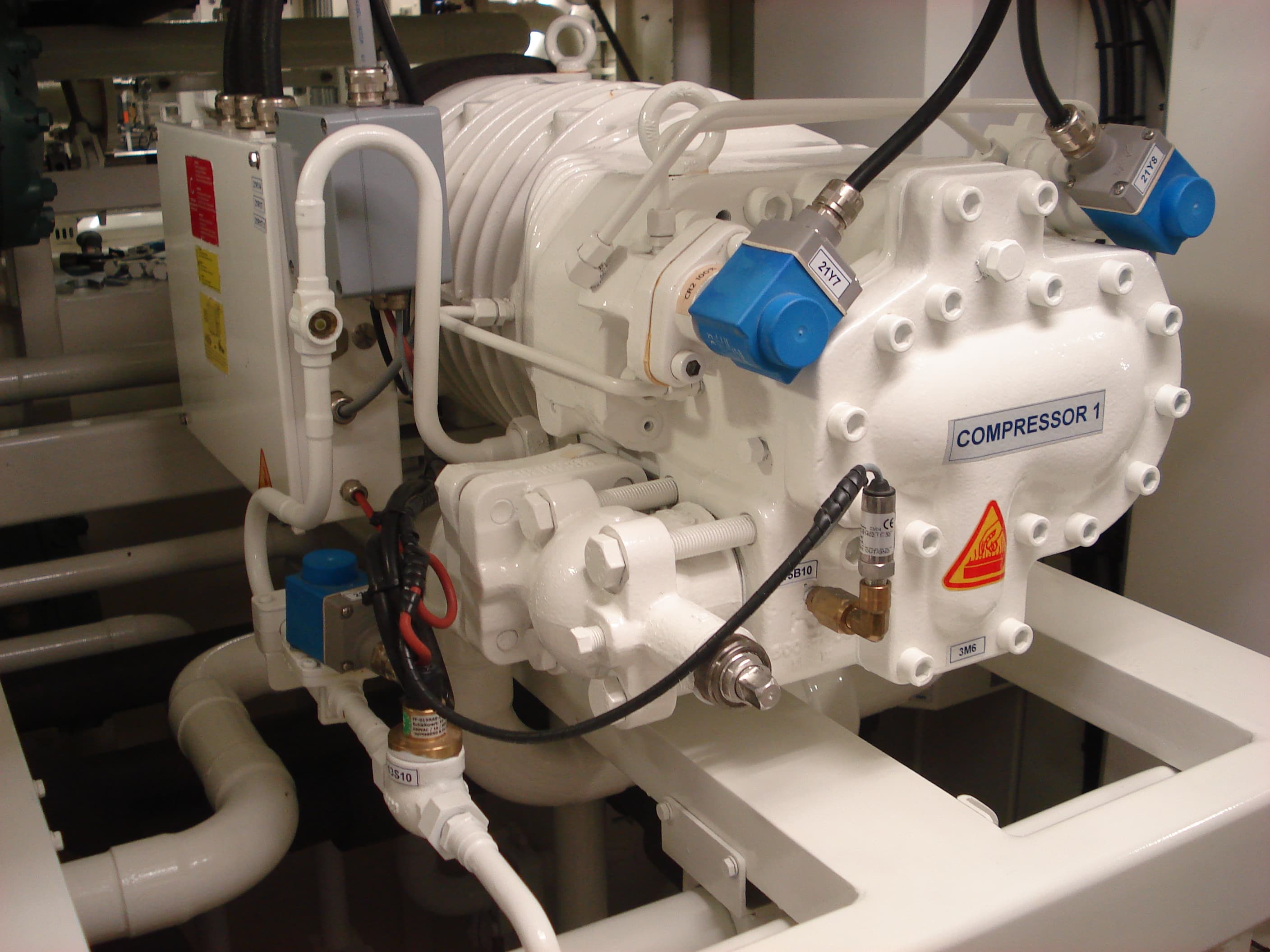
- High discharge pressure with a healthy refrigerant charge points first to a fouled condenser or restricted water or air flow, not a refrigerant fault. Excess oil circulating, an overcharge, or trapped air can also push head pressure up (by insulating the condenser or adding volume), worth ruling out first.
- On a water-cooled condenser, approach equals condensing temperature minus the LEAVING water temperature, never entering. A clean, well-performing shell-and-tube condenser holds roughly 1-2°C; a widening approach climbing toward about 8°C with flow unchanged flags fouling or scaling.
- Benchmarking against entering water instead? Add the water-side rise, typically 4-7°C, before comparing. Mixing leaving-water approach numbers with an entering-water reading gives a misleadingly tight or falsely alarming result.
Tracking that approach trend continuously, rather than spot-checking it once, is what catches a slowly fouling condenser long before head pressure becomes a real problem.